
The FARRELL* Valve System is the ONLY closed system designed to continuously relieve gastric pressure and collect enteral feeding formula and gastrointestinal contents from patients utilizing an enteral device.
Retains Excess Medication and Enteral Formula
Reduce Gastric Pressure
Closed System
Allows Venting


Safety
The FARRELL* Valve System prevents exposure to gastric contents and eliminates the need for open system syringe venting. No need for a “chimney” anymore!
Intolerance to gastric feeding has been reported in up to 60% of patients in the ICU.11
More than 25% of patients continue to lose weight after starting enteral nutrition due to gastrointestinal side effects, such as fullness, bloating, diarrhea, and constipation. 8,12
”The FARRELL* Valve can prevent spills that could cause the skin to be irritated from exposure to gastric fluids, and the loss of gastric contents, including electrolytes, gastric fluids, and medications.
Karen Bonner, RN

Benefits of Reduced Gastric Pressure
Reduces risk of pulmonary aspiration1,7
Relieves pressure on recent gastric surgeries e.g. fundoplication2,3
Facilitates enteral feeding tolerance and helps patients reach caloric goals1,10
Improves patient comfort and reduces pain5,6




Medical Conditions and Therapies That May Benefit From the FARRELL* Valve System
Gastroesophageal Reflux (GER)2,3,4
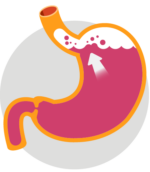
CPAP, Ventilator or High Flow O2 Therapy4,9,10

Delayed Gastric Emptying (DGE)1,2,3
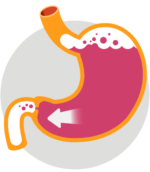
Neurologically Impaired Patients2,3

Post-Op Fundoplication2,3,4
FARRELL* Valve System Overview & Resources
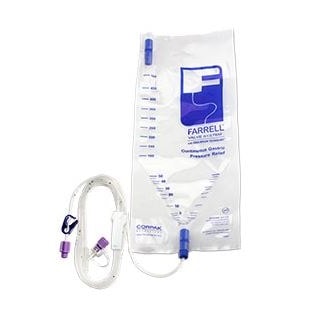
FARRELL* Valve System
A Closed Decompression System for Enteral Feeding Patients – Neonates, Pediatric, and Adults
The FARRELL* Valve System is a closed reservoir overflow system designed to help patients who suffer from poor gastric motility, pain, and bloating.
- The bag is vented to allow the escape of gas, while also providing a container to retain excess formula in a closed system.
- The FARRELL* Valve provides a channel to constantly decompress the stomach, allowing the stomach to fill at its own pace.
- The closed overflow reservoir prevents caregiver exposure to gastric contents.
The FARRELL* bag comes in sizes:
- 250mL
- 500 mL
- 750 mL
- 1000 mL
FARRELL* Valve: In-Service Video
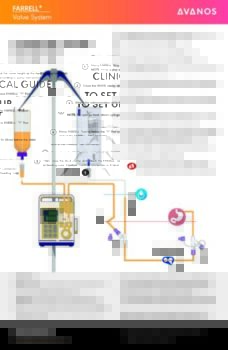
FARRELL* Valve: Clinical Guide to Set Up


References
1. Kazi N et al. Enteral feeding associated gastroesophageal reflux and aspiration pneumonia: a review. Nutrition Review. 1996;54(10):324-328.
2. Dunn et al. Long-term quantitative results following fundoplication and antroplasty for gastroesophageal reflux and delayed gastric emptying in children. Am J Surg.1998;175;27-29.
3. Fonkalsrud E et al. Surgical treatment of gastroesophagael reflux in children: a combined hospital study of 7467 patients. Pediatrics. 1998;101(3):419-422.
4. Orr WC. CPAP and Things that Go “Burp” in the Night. J Clin Sleep Med. 2008; 4(5): 439-440.
5. Salet G et al. Responses to gastric distension in functional dyspepsia. Gut. 1998; 42(6:823-829).
6. Ladabaum U et al. Gastric distension correlates with activation of multiple cortical and subcortical regions. Gastroenterology. Feb 2001; 2:369-376.
7. Reese Parish C. Enter al Feeding: The Art and the Science. Nutrition in Clinical Practice. 2003;18:76-85.
8. Zhang M, Hubbard J, Rudnicki SA, et al. Survey of current enteral nutrition practices in treatment of amyotrophic lateral sclerosis. Espen J 2013;8;e25-e28.
9. Parker CM et al. Aspiration and the risk of ventilator-associated pneumonia. Nutrition in Clincal Practice. 2004; 19:597-608.
10. Singer P et al. To eat or to breathe? The answer is both! Nutritional management during noninvasive ventilation. Critical Care. 2018;22:27.
11. Ukleja A. Altered GI motility in critically ill patients: Current understanding of pathophysiology, clinical impact, and diagnostic approach. Nutrition in Clinical Practice. Feb. 2010; 25(1);16-25.
12. Bastow, M.D. Complications of enteral nutrition. Gut. 1986; 27(S1); 51-55